

I spent Sunday with my family in Haslemere. We had the full complement there, my brothers and their wives, plus 4 dogs (don’t ask, a lot of dog sitting happening at the moment).
We also revelled in a 95th minute winner from Bournemouth to make it 2-1 against Ipswich, sorry Ipswich fans. I’m also sorry you have to endure me bringing up my football team, but when you are on a hot streak it doesn’t last forever. ?
On Sunday we had the whole family around the dinner table and our kids were so well behaved. Lots of chatting, table manners, please, thank you and everyone said “aren’t they good kids”…….
Let me take you back two nights to around 7pm, aka bedtime for Kit and Florie, aka relaxing time for parents.
Kit was great, in bed and reading a book. He is also older and therefore tends to be easier to communicate with.
Florie on the other hand was screaming at the top of her lungs “daddy you are so rude, daddy you are so naughty, I’m telling Mummy.” All because I wouldn’t give her some more milk.
There are two choices at this point: a) give her the milk b) don’t give her the milk and then put up with the storm.
I must be honest I often choose the path of least resistance, which is option a).
But recently we have found this just fosters the behaviour that we are trying to avoid.
Florie knows if she has a meltdown then we will suppress it by giving her what she wants. We are in transition mode now and trying to reverse this pattern by playing “bad cop, bad cop” (usually it is good cop, bad cop, I’m bad cop).
This is a tricky switch as she has fostered these behaviours over the past 4 years, and it is now a learnt behaviour.
To switch a behaviour is hard. It tends to be easier when you try to switch a behaviour in a child, as they haven’t had enough time for it to set in.
I read Atomic Habits by James Clear this year and have listened to it on audible as a repeat. It is a great book and is our book of the month in the clinic, you can get a copy for Xmas here.
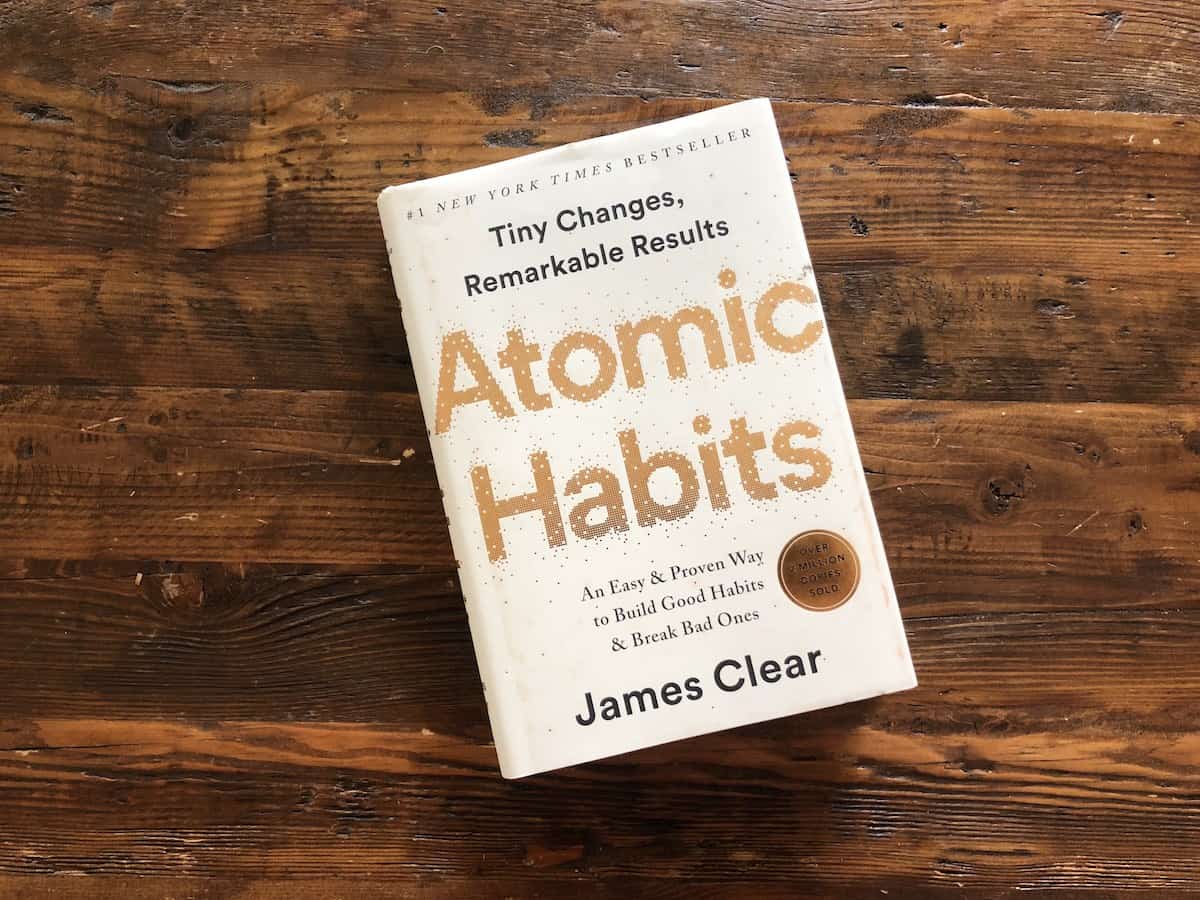
The Four Laws of Behaviour Change
- Make It Obvious
- Habits are driven by cues in our environment.
- Clear suggests designing your environment to prompt desired behaviours (like leaving your gym clothes visible).
- Use habit stacking: pair a new habit with an existing one (e.g., “After I brush my teeth, I’ll meditate for 1 minute”).
- Make It Attractive
- Combine habits with things you enjoy making them appeal (e.g., “I’ll only watch Netflix while on the treadmill”).
- Surrounding yourself with people who embody your desired habits. I recently joined Guildford athletics club and they train on a Tuesday evening at 7pm. There is no chance I’m doing this on my own, but I joined the club, so the coach holds me accountable to coming to train.
- Make It Easy
- Focus on reducing friction to start habits.
- Use the 2-Minute Rule: scale down habits to something that takes less than two minutes (e.g., “Read one page” instead of “Read a book”).
- Master the art of showing up, consistency beats perfection.
- Many people decide to start a diet and jump all in. No carbs, no alcohol, no sugar when this is not sustainable. It needs to be easy and gradual, perhaps no alcohol on Monday, then Monday and Tuesday and so on.
- Make It Satisfying
- Reward yourself immediately after completing a habit to reinforce it.
- Track progress visually (e.g., habit tracker or calendar) to stay motivated. Clear has an app you can track your habits on.
- Avoid breaking the streak but forgive yourself quickly if you slip up.
How easy is this to apply to parenting a 4-year-old?
Well with her meltdowns it is usually because she hasn’t got what she has asked for.
The habit loop is for us as parents, NOT for the 4-year-old. It may look something like this, by the way I have not applied this in my life yet so this is an example:
- Each time she asks for something, we have a trigger that is; rather than saying no, we try to have a conversation about why she can’t or when she can have it. “Which ice cream would you like, ok great, right now we are going for a walk, I suggest we have an ice cream after we have finished the walk, and it will still be there.” Would that work? Hmm I’m not sure, but I reckon if we answer back with a “NO” straight away it cues a big emotional response.
- If we can get through the day without giving her what she wants when she demands it, we get to watch “The Day Of The Jackal” tonight. This is our favourite TV show right now, I recommend you watch it, very tense.
- We can try and tag each other in, so I do 5 minutes of cuddling, negotiating and reassuring, then Charlotte could take over. We try not to negotiate and make a deal, “if you go on the walk then you can have an ice cream”. I’m terrible for that, always trying to negotiate with the 4-year-old. But we must refrain.
- It could be a sweet or glass of wine you must re-enforce the behaviour. It sounds a bit silly, but you need to re-affirm to your nervous system that this type of behaviour is to be rewarded.
This method can be applied to a lot of our lives. It is commonly used in diet and exercise.
How do you change the habit of a lifetime if you have not exercised in your life thus far?
The main point James Clear makes is to start small and build it up slowly. Don’t be hard on yourself if you don’t make it to the gym. He talks about going to the gym for 5 minutes each time.
Start really small, so even if you are tired after a long day at work, going to the gym for 5 minutes is not as hard as going for 60 minutes. It is easier to then build the habit around this.
I had a break from alcohol over the summer and I must admit I have been back to it a few times; I regretted it the next day.
I have had a few glasses of wine and felt it then next day and then I had one pub session with the “Dad’s” from nursery which I knew about the next day. I felt hungover and foggy and was not on form with the kids. The balance has certainly shifted, in that the pain the next day does not outweigh the fun from the night before.
I think you need a couple of speedbumps to remember why you are changing your habit. You get clearer on the reason why you don’t want to continue doing the old habit.
Like drinking or smoking, the longer you refrain from doing it, if you do go back to it, it reminds you of why you tried stopping in the first place.
Rather than wait until January to start a new habit, why not put something in place now so you can really capitalise on next year?
Whether it’s a goal you have or a habit you want to change, start writing down what it is and apply the 4 laws of behaviour change above. And why not buy yourself Atomic Habits as an early Xmas present?
Book a consultation with a Chiropractor here
If you do know someone who wants more advice, please send them our details. You can send them this assessment as well to diagnose their back pain. It is a great tool to understand where your back pain is coming from, it is free and takes 60 seconds. Click here for assessment

